Skip to content
Inspire AI Lab
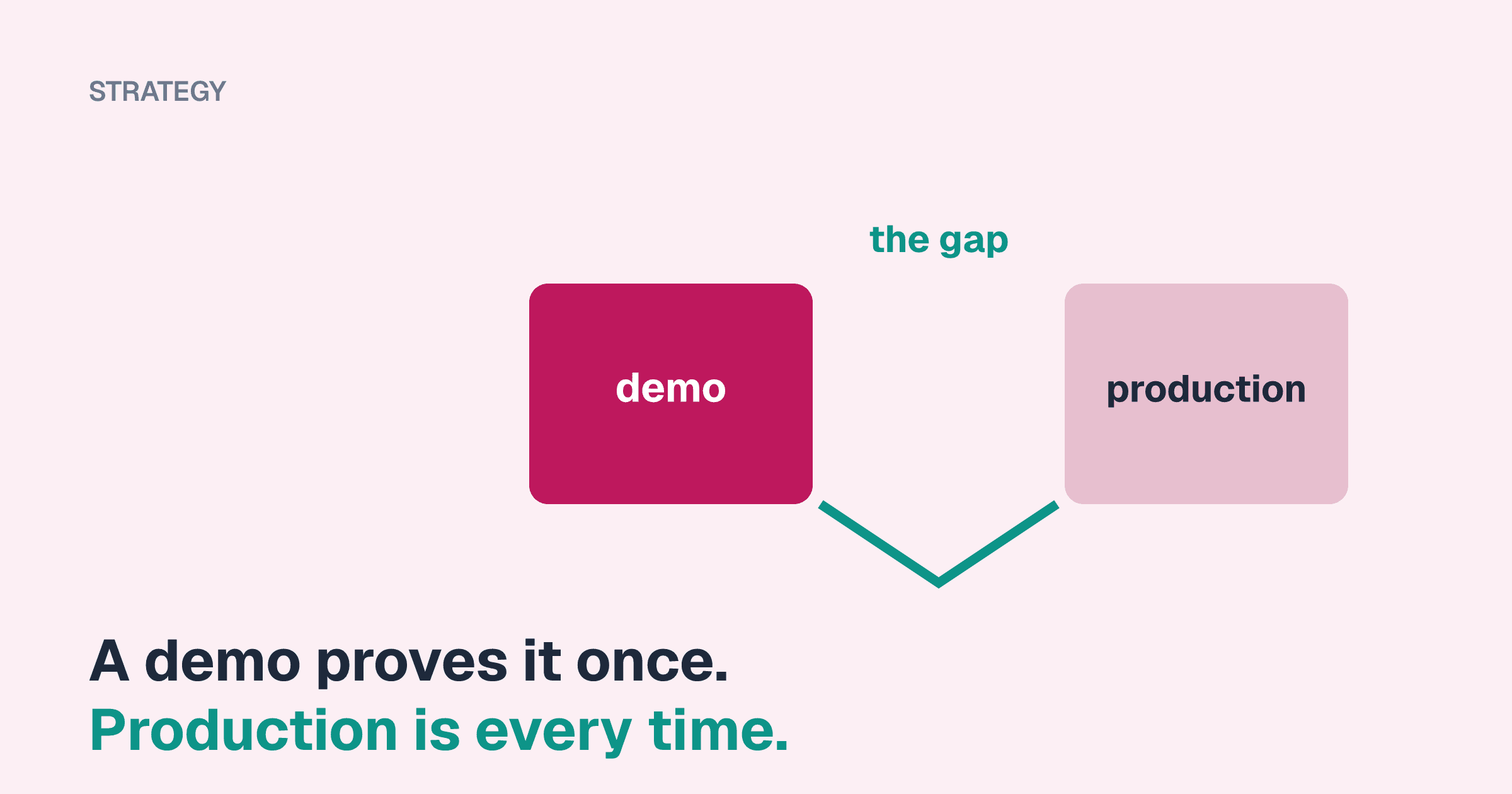
Two blocks labelled demo and production with a dip between them marked "the gap", above the line "A demo proves it once. Production is every time."
strategy··11 min

Why AI projects stall between the demo and production

A demo proves a model can do the task once, on inputs someone chose. Production requires it to do the task every time, on inputs nobody chose, inside your systems, at a cost and latency you can live with. Here are the ten places projects stall in between, the early-warning signs, and a pre-production gate you can adopt.

By Amar Mond
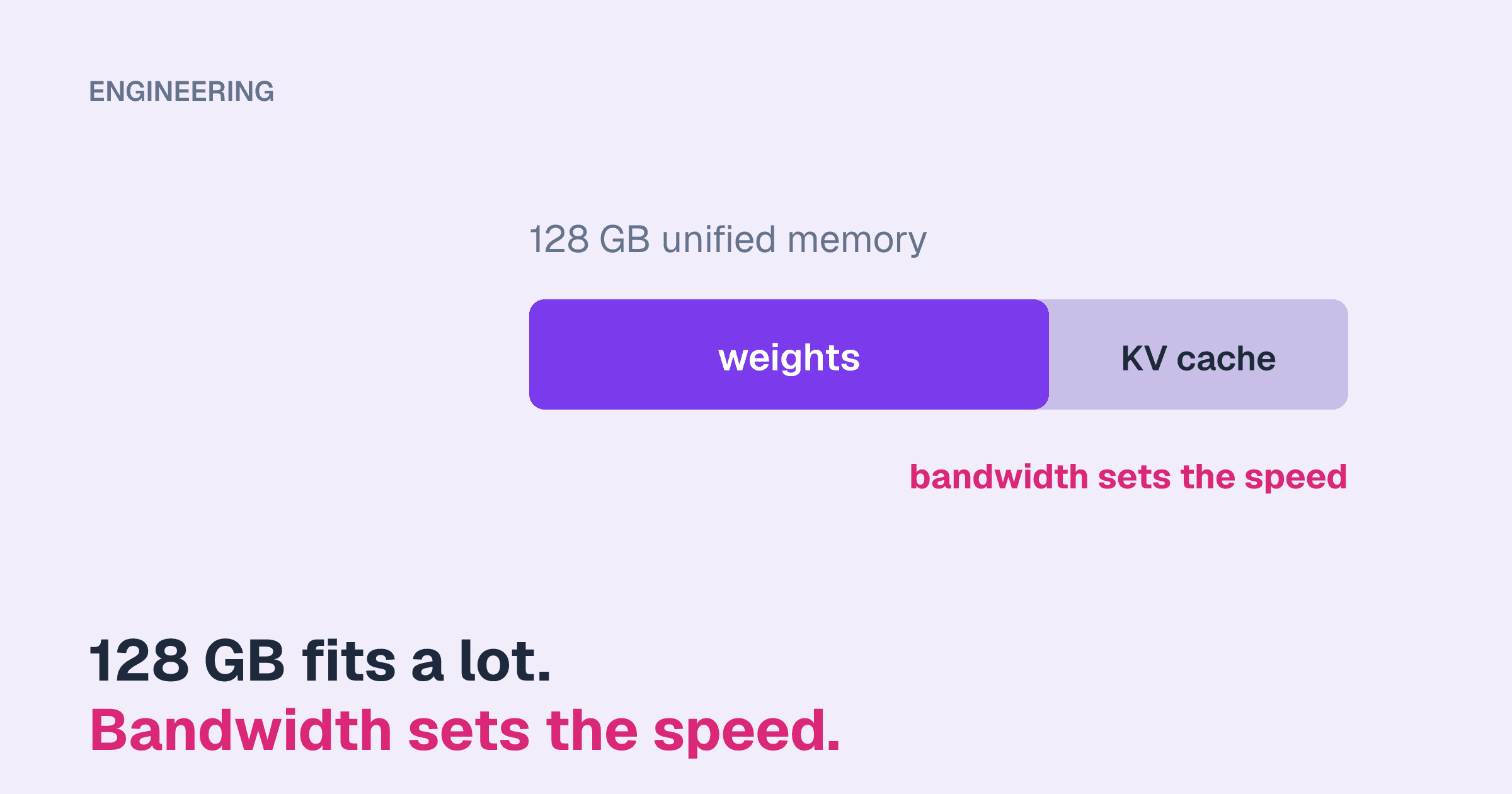
A bar labelled "128 GB unified memory" split into weights and KV cache, with the note "bandwidth sets the speed", above the line "128 GB fits a lot. Bandwidth sets the speed."
engineering··10 min

What a DGX Spark Can Realistically Serve

A DGX Spark has 128 GB of unified memory, so very large models fit. Its memory bandwidth decides how fast they actually generate. Here is the arithmetic for what fits, how fast it can decode, how many people it can serve, and the signs you need bigger hardware.

By Amar Mond

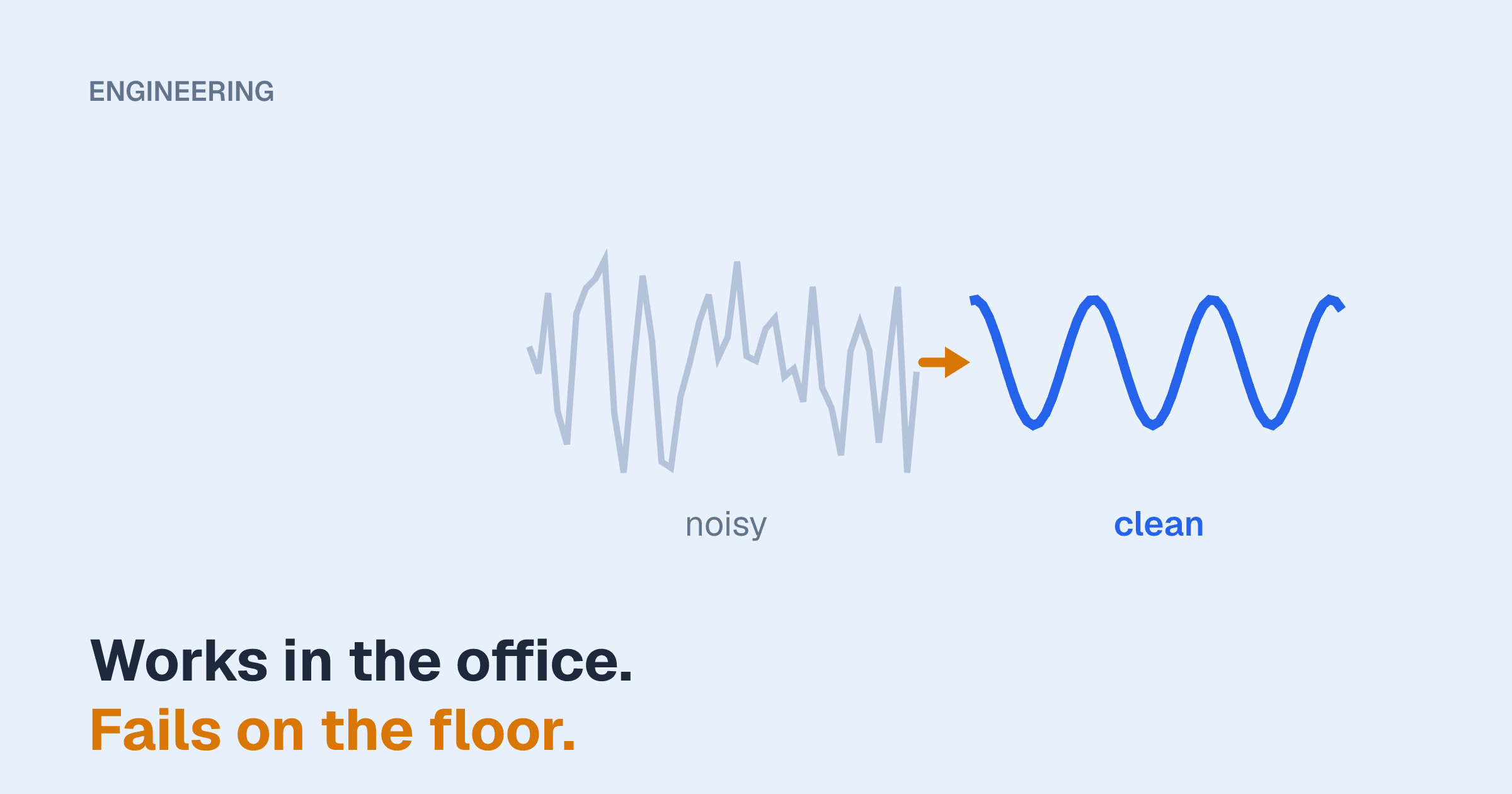
A jagged waveform labelled noisy with an arrow to a smooth wave labelled clean, above the line "Works in the office. Fails on the floor."
engineering··11 min

Building voice AI that works in a noisy environment

Voice agents that work in a quiet office fall apart on a warehouse floor, in a vehicle, or at a service counter. The fixes are mostly not in the language model: they are in the microphone, echo cancellation, endpointing, and how you test. A stage-by-stage guide to where noise breaks the pipeline and what to do about it.

By Amar Mond

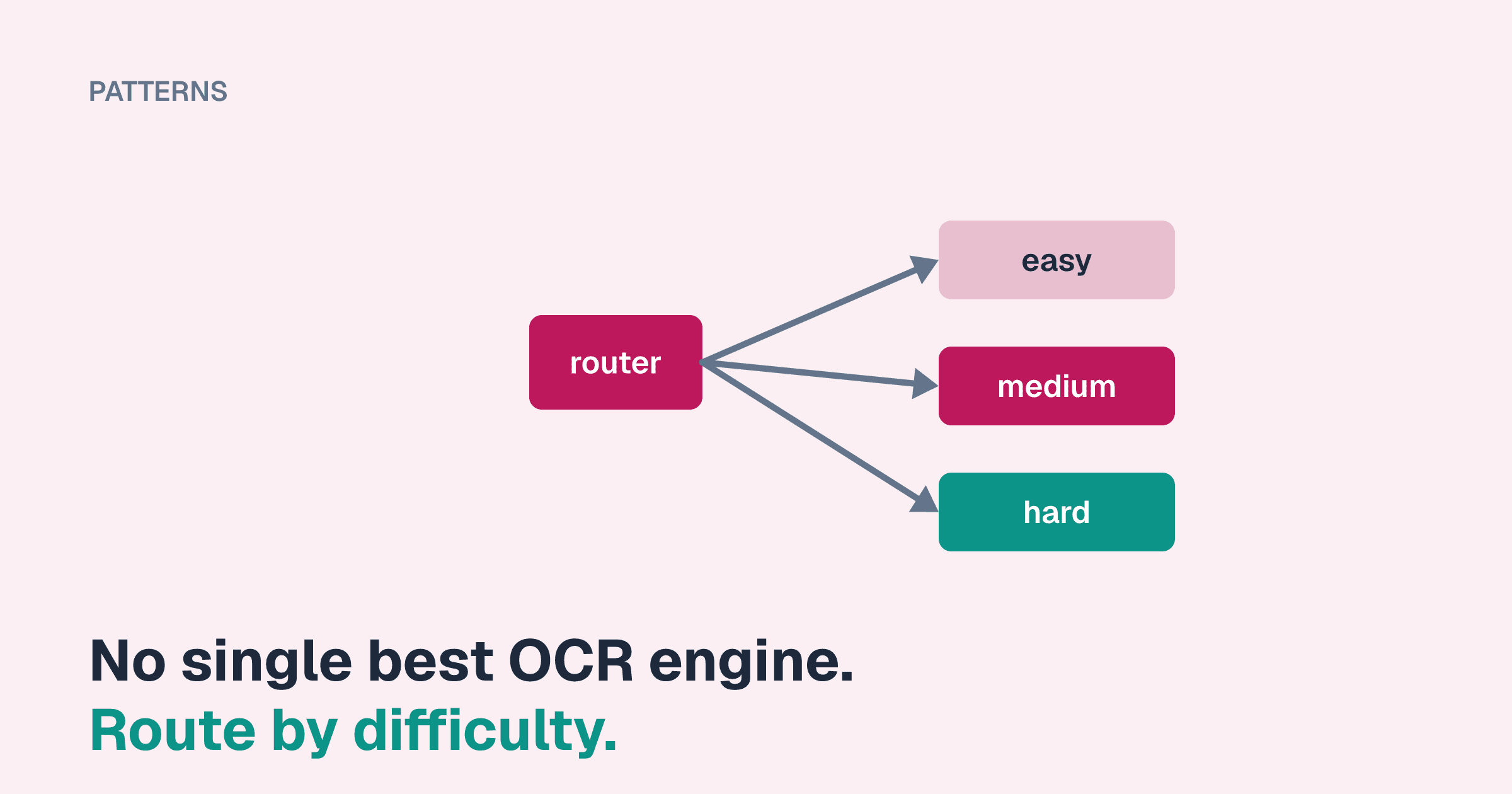
A router block with arrows fanning out to three lanes labelled easy, medium and hard, above the line "No single best OCR engine. Route by difficulty."
patterns··12 min

Multilingual OCR: routing documents to different engines by difficulty

There is no single best OCR engine for multilingual documents. The dependable pattern is a router: detect language and script per page and per region, score how hard each page is, send easy pages to a fast conventional engine, and escalate only the hard ones — with verification, because the strongest engines are also the ones that invent text.

By Amar Mond

A checklist of five ticked lines above the words "Read the proposal before you sign it."
strategy··10 min

How to Evaluate an AI Vendor's Proposal Before You Sign

A buyer's checklist for AI development proposals: scope, acceptance criteria tied to an evaluation set, who owns the weights, prompts and data, where your cost exposure sits, and who operates the system after go-live. Includes the questions to ask verbatim and the red flags that should slow you down.

By Amar Mond

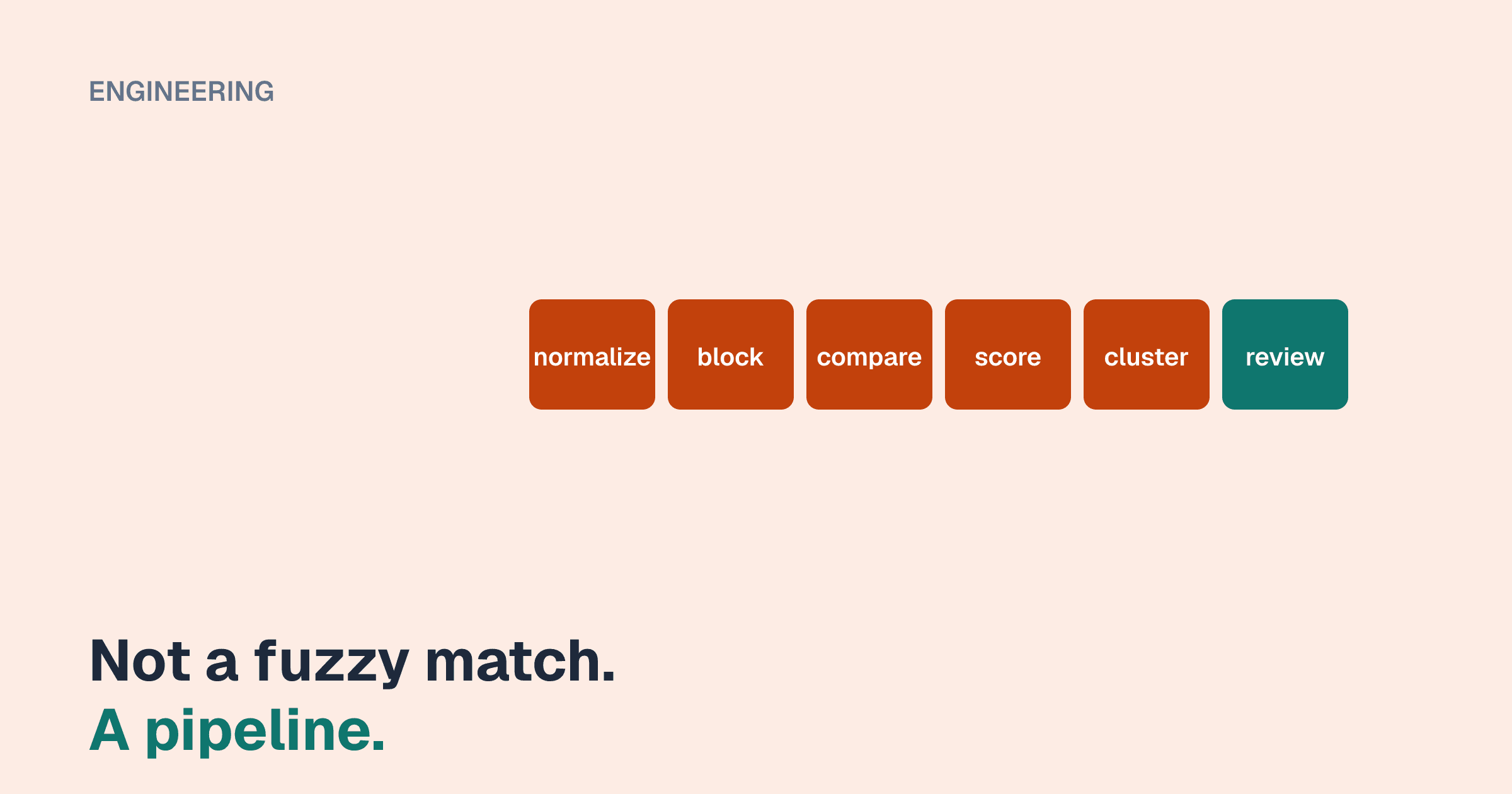
Six stages in a row, normalize, block, compare, score, cluster and review, above the line "Not a fuzzy match. A pipeline."
engineering··11 min

Entity resolution on messy public records

Deduplicating company names across millions of free-typed records is a pipeline, not a fuzzy-match call: normalize, block, compare, score, cluster, review. A walk through each stage using customs shipment records, including where LLMs help and where they quietly make things worse.

By Amar Mond

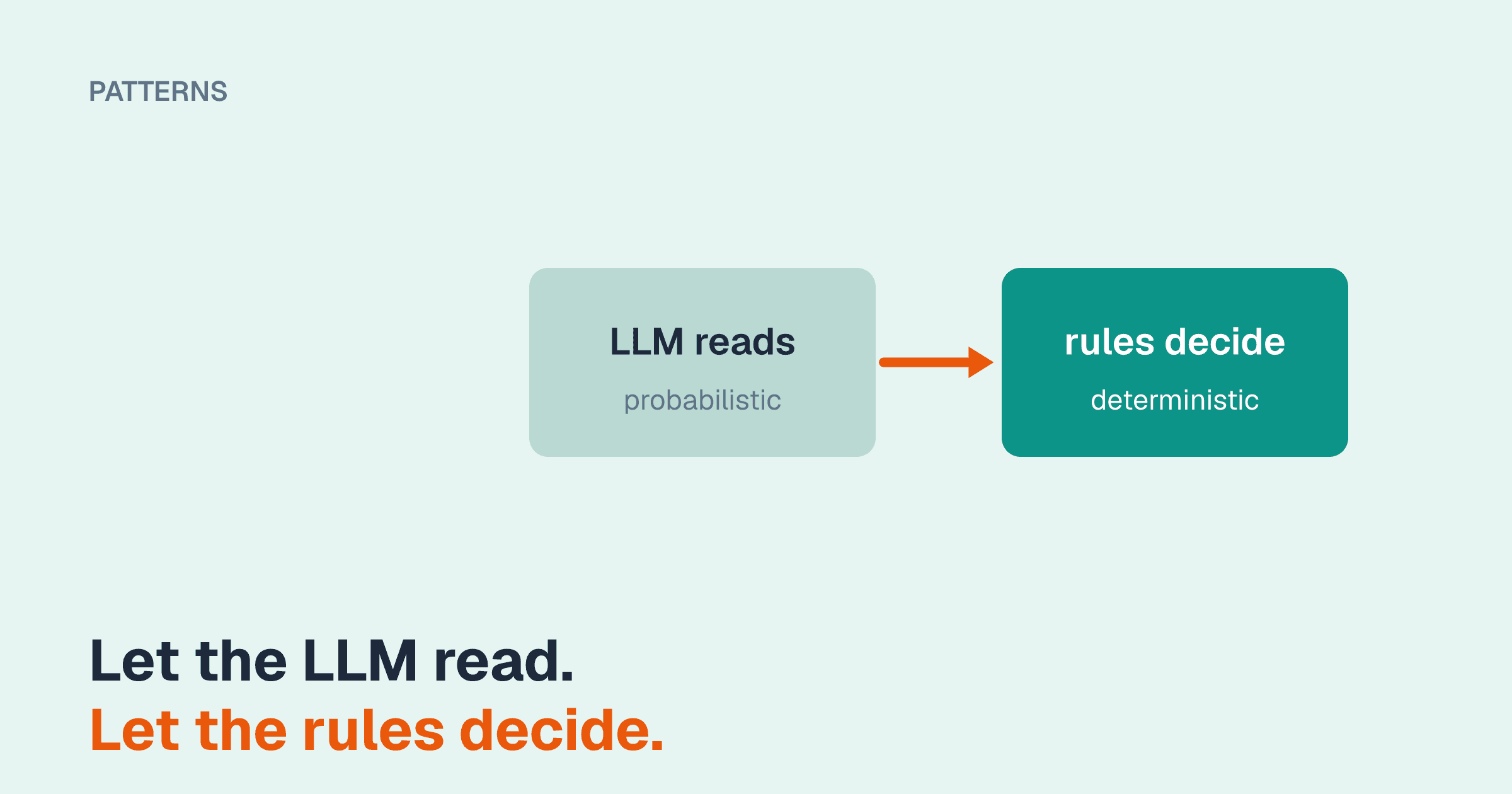
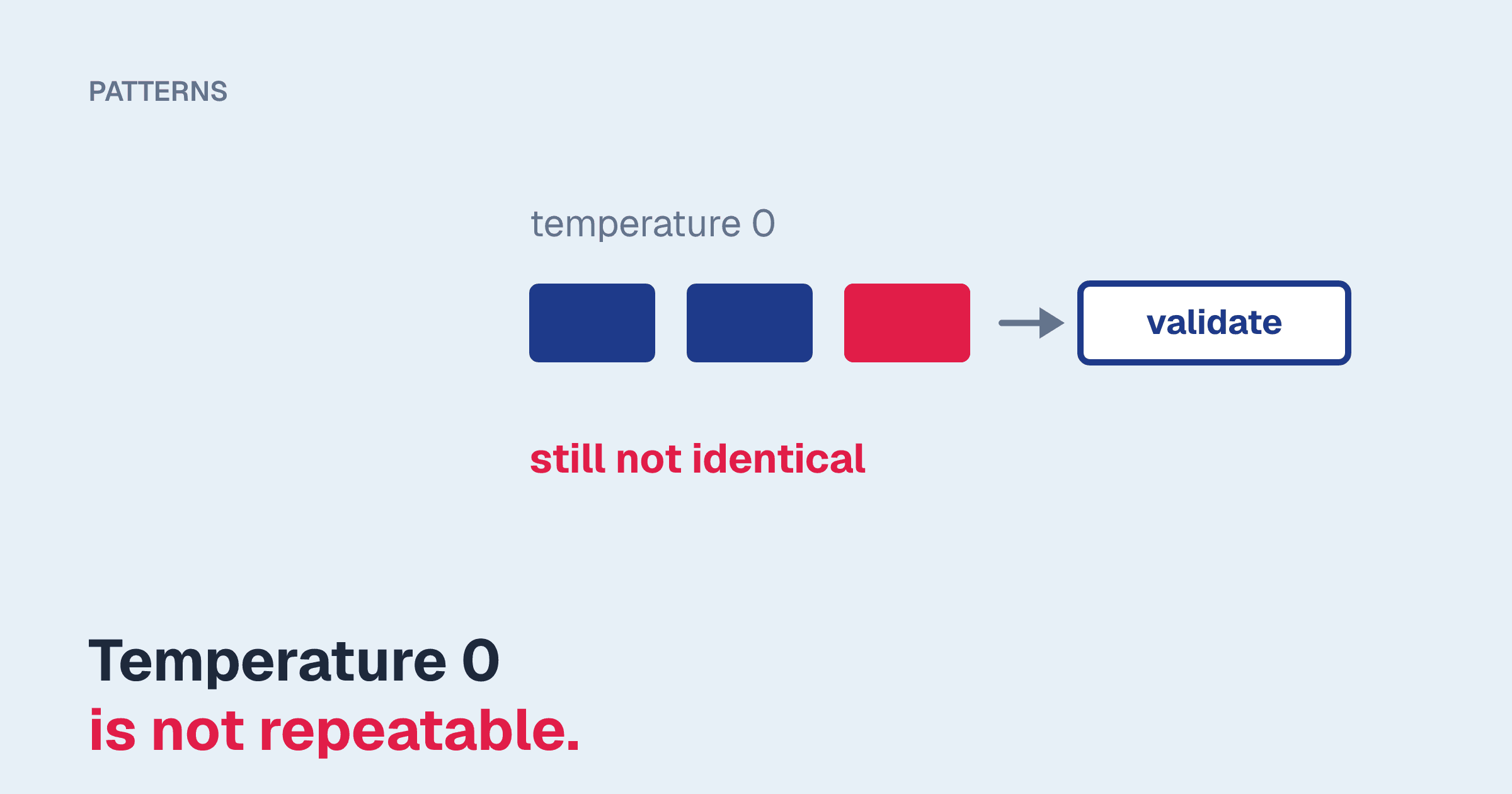
Three outputs produced at temperature 0, two blue and one red, marked "still not identical" and feeding a validate step, above the line "Temperature 0 is not repeatable."
patterns··10 min

Making LLM output deterministic enough for finance and tax work

Setting temperature to 0 does not make a language model repeatable, and for accounting work repeatable is the requirement. The practical answer is to stop asking the model for the final number: let it extract, let ordinary code calculate, validate everything, and record the result so the same document always gets the same answer.

By Amar Mond

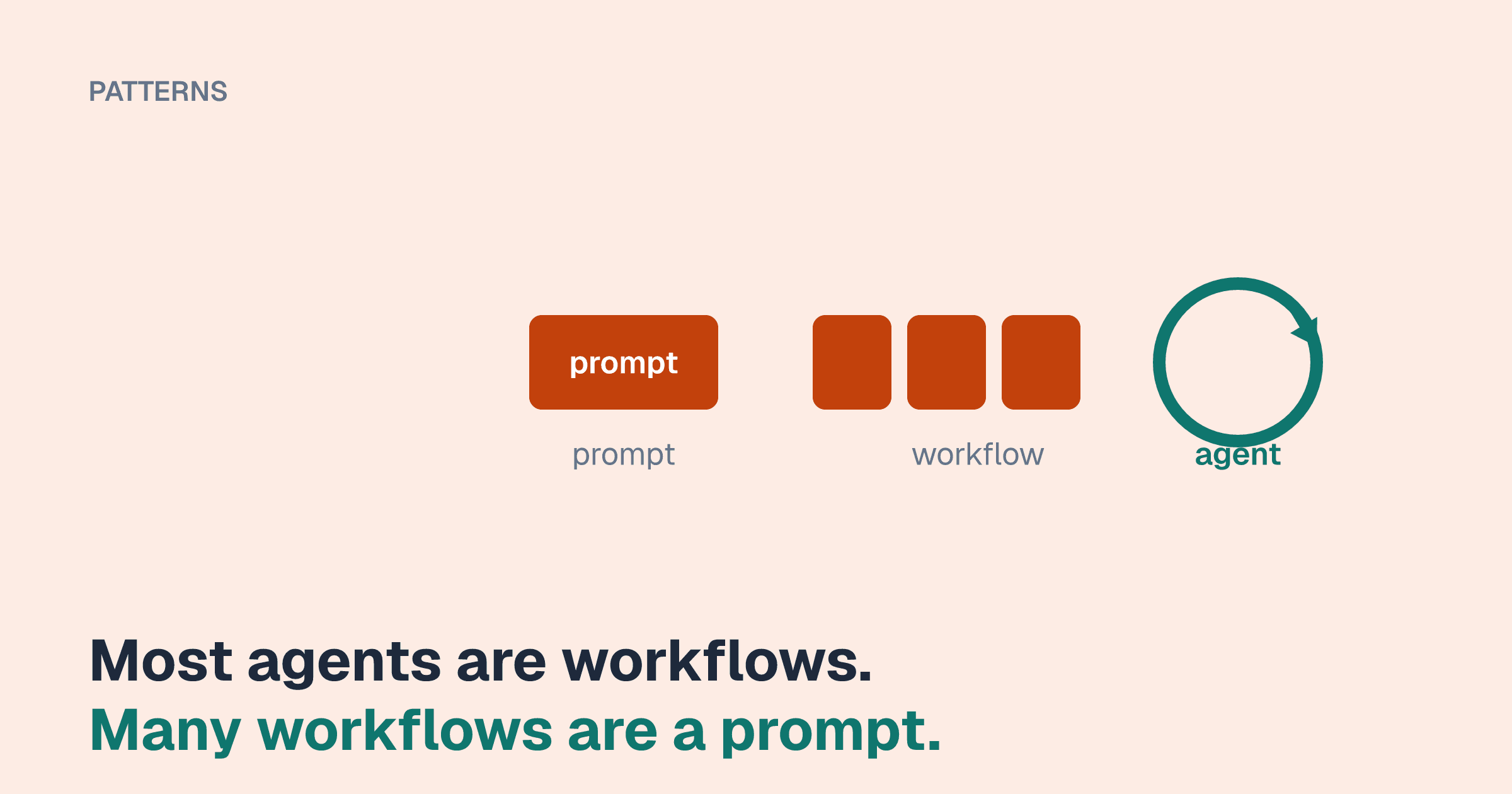
Three shapes side by side, a single block labelled prompt, a row of three blocks labelled workflow and a looping arrow labelled agent, above the line "Most agents are workflows. Many workflows are a prompt."
patterns··10 min

Agent vs. workflow vs. single prompt: how to choose

Most tasks that get built as agents are workflows, and many workflows are a single well-constructed prompt. A decision framework for picking the simplest architecture that meets the requirement, what each step up costs, and the guardrails an agent needs when you really do need one.

By Amar Mond

Subscribe

Get new deep-dives in your inbox

New articles as they're published. Technical, no marketing fluff, unsubscribe any time. We never share your address.