Skip to content
Inspire AI Lab

Engineering

Engineering

Hands-on problems and fixes: serving, fine-tuning, integration, latency, data pipelines.

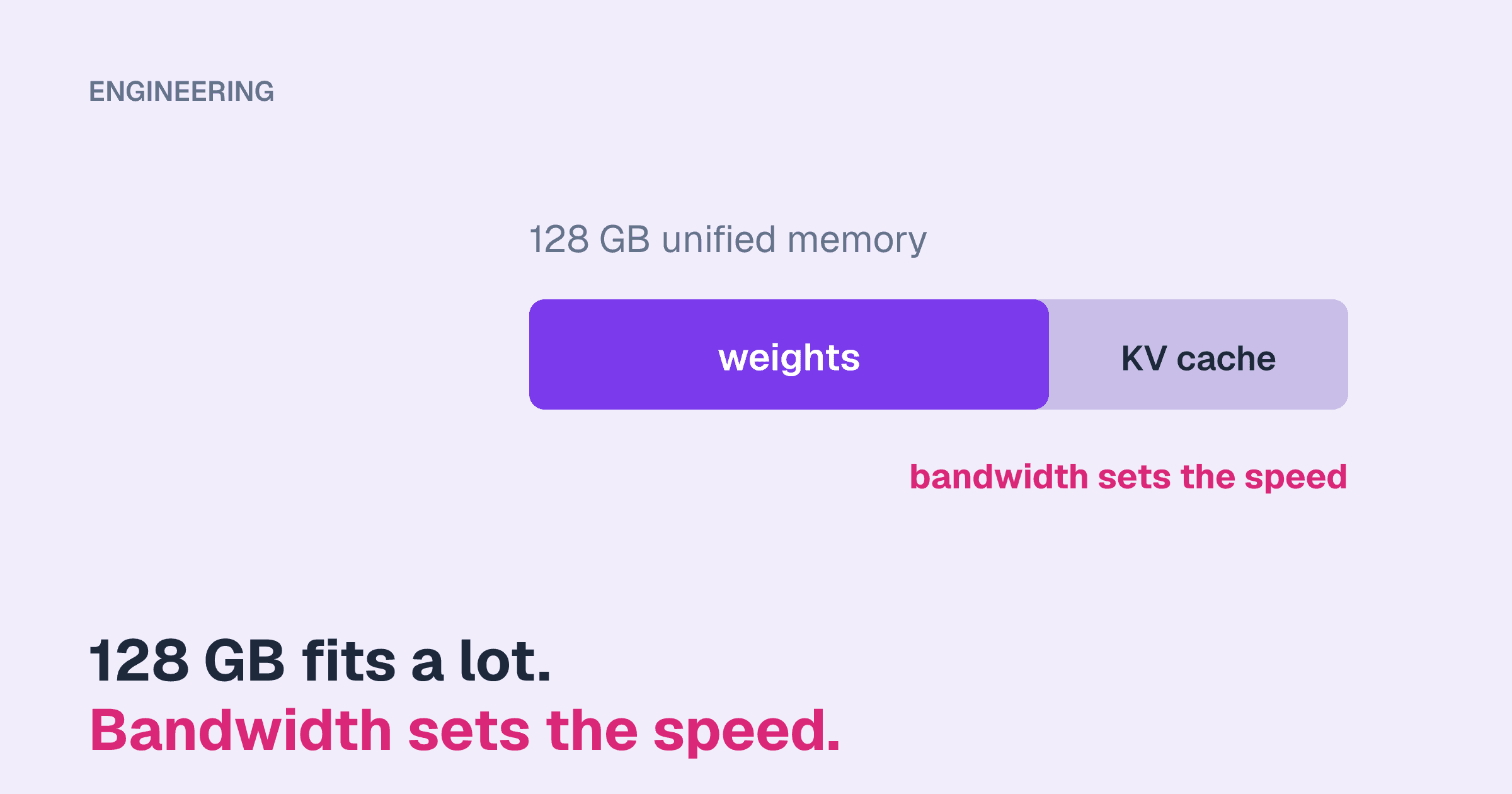
A bar labelled "128 GB unified memory" split into weights and KV cache, with the note "bandwidth sets the speed", above the line "128 GB fits a lot. Bandwidth sets the speed."
engineering··10 min

What a DGX Spark Can Realistically Serve

A DGX Spark has 128 GB of unified memory, so very large models fit. Its memory bandwidth decides how fast they actually generate. Here is the arithmetic for what fits, how fast it can decode, how many people it can serve, and the signs you need bigger hardware.

By Amar Mond
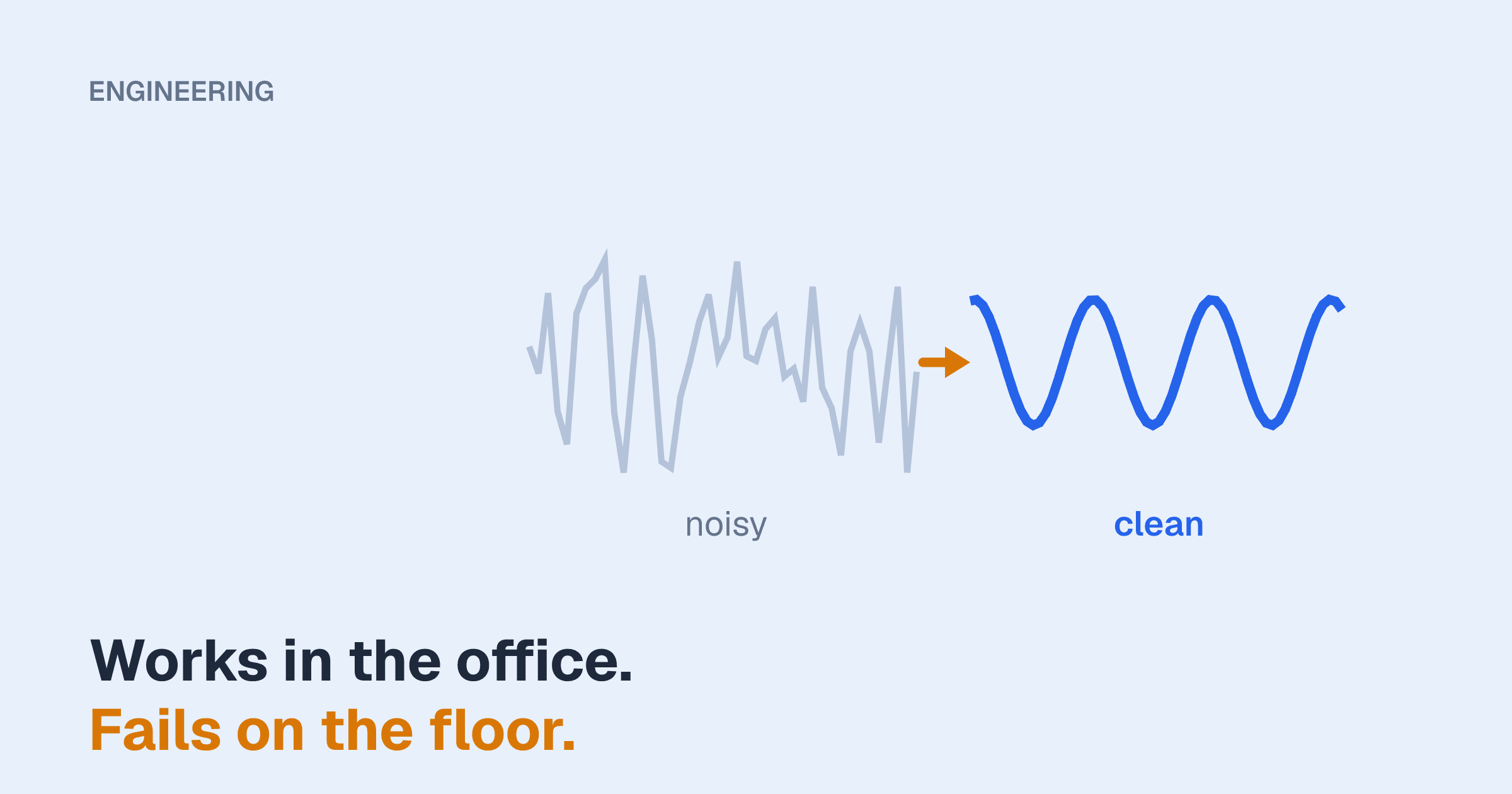
A jagged waveform labelled noisy with an arrow to a smooth wave labelled clean, above the line "Works in the office. Fails on the floor."
engineering··11 min

Building voice AI that works in a noisy environment

Voice agents that work in a quiet office fall apart on a warehouse floor, in a vehicle, or at a service counter. The fixes are mostly not in the language model: they are in the microphone, echo cancellation, endpointing, and how you test. A stage-by-stage guide to where noise breaks the pipeline and what to do about it.

By Amar Mond

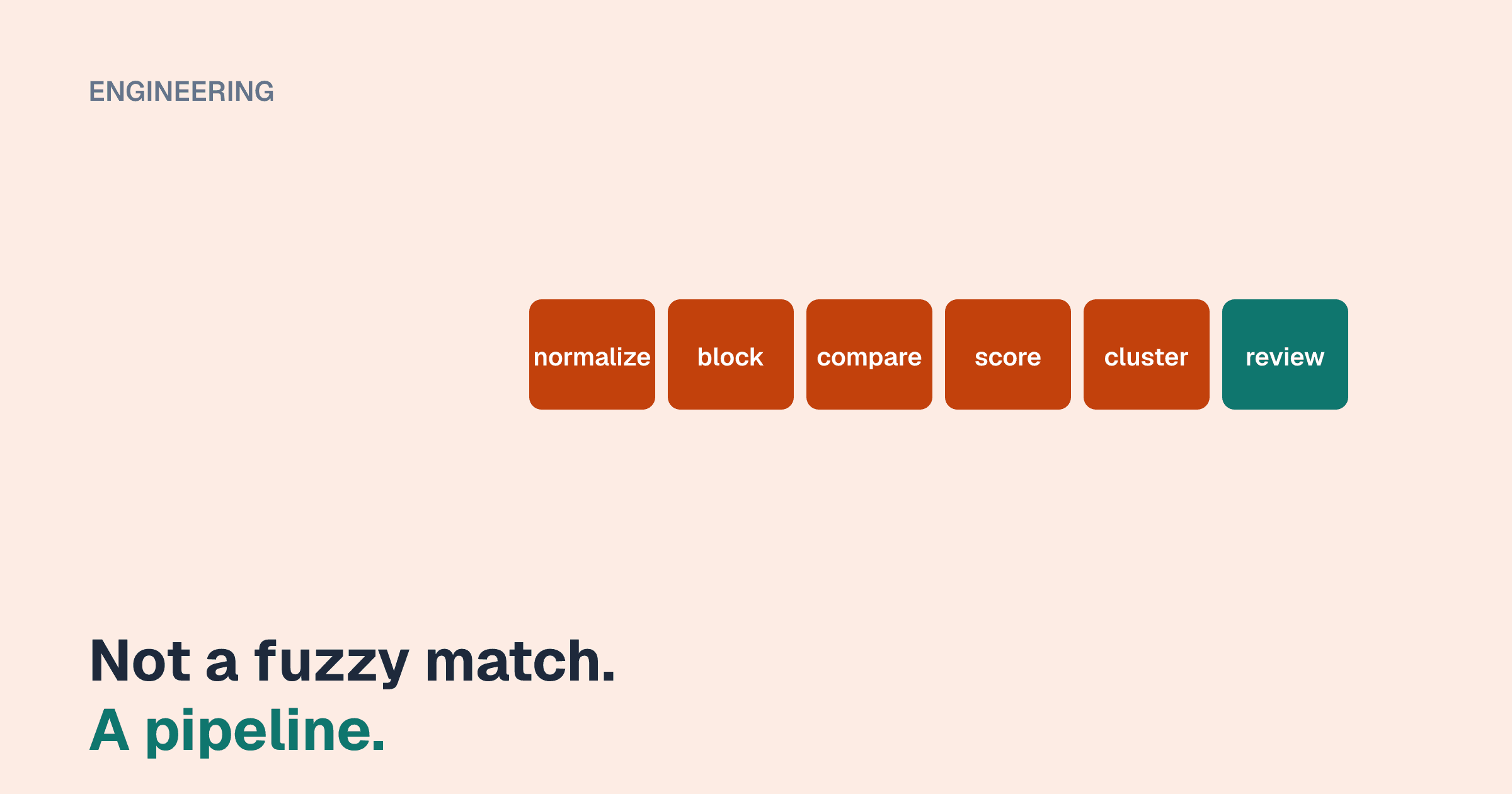
Six stages in a row, normalize, block, compare, score, cluster and review, above the line "Not a fuzzy match. A pipeline."
engineering··11 min

Entity resolution on messy public records

Deduplicating company names across millions of free-typed records is a pipeline, not a fuzzy-match call: normalize, block, compare, score, cluster, review. A walk through each stage using customs shipment records, including where LLMs help and where they quietly make things worse.

By Amar Mond